Land Leveling in Houston, TX
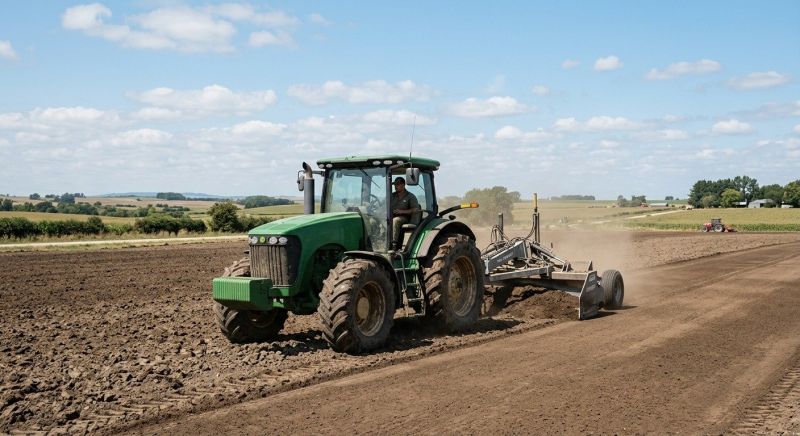
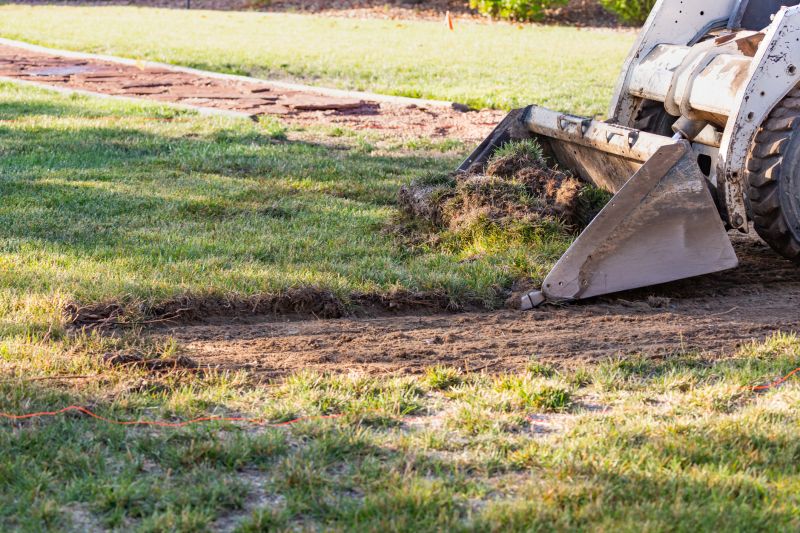
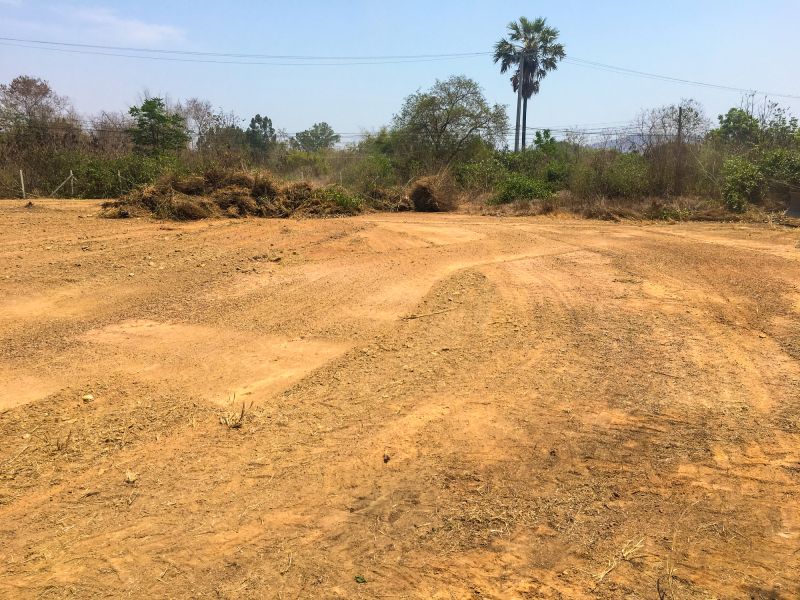
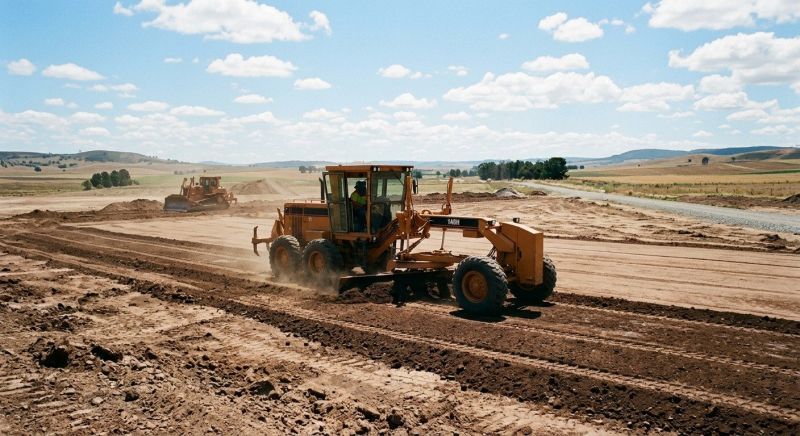
Land leveling services involve adjusting the elevation of a property’s surface to create a smooth, even terrain. This process is commonly used for preparing land for construction projects, establishing proper drainage, or improving the overall appearance of a yard. Property owners often request land leveling for projects such as installing new lawns, building patios, or preparing land for agricultural use, ensuring the surface is appropriately graded to prevent water pooling and erosion.
Before requesting land leveling, property owners should consider the current condition of the land, including existing slopes, drainage patterns, and any structures or utilities that may be affected. Understanding the scope of the project and the desired final grade can help determine the most suitable approach. Clear communication about the property’s features and intended use will support effective planning and ensure the work meets the property owner’s expectations.
Many property owners in Houston, TX look into Land Leveling for repairs, replacements, upgrades, and appearance-related improvements.
Benefits Of Land Leveling
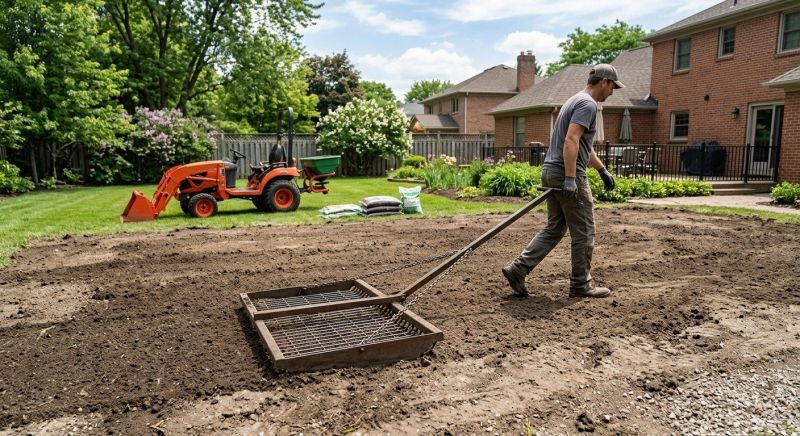
Proper land leveling helps ensure even drainage and a stable foundation for construction or landscaping projects.
Common Land Leveling Projects
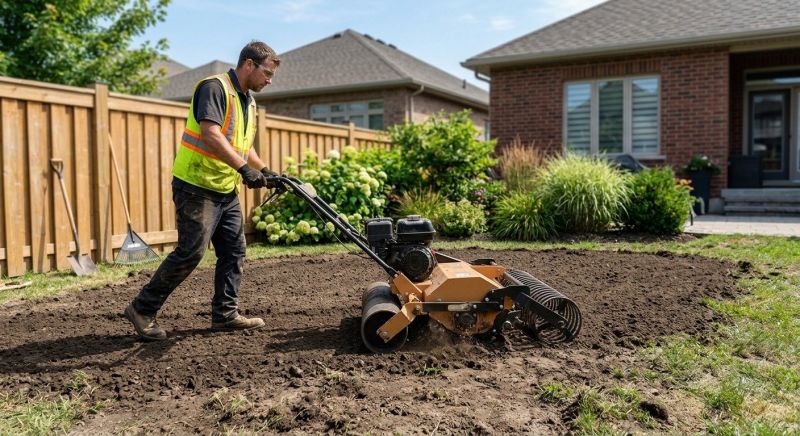
Services often include preparing residential yards, commercial lots, and agricultural fields in houston and nearby areas.
Key Considerations
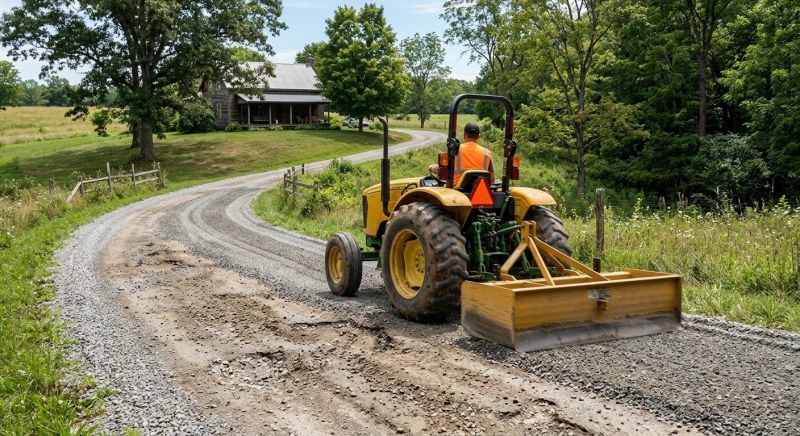
Assessing soil conditions and project scope is essential for achieving a smooth, level surface tailored to property needs.
Land Leveling in Houston, TX

Land leveling services involve adjusting the elevation of a property’s surface to create a smooth, even terrain. This process is commonly used for preparing land for construction projects, establishing proper drainage, or improving the overall appearance of a yard. Property owners often request land leveling for projects such as installing new lawns, building patios, or preparing land for agricultural use, ensuring the surface is appropriately graded to prevent water pooling and erosion.
Before requesting land leveling, property owners should consider the current condition of the land, including existing slopes, drainage patterns, and any structures or utilities that may be affected. Understanding the scope of the project and the desired final grade can help determine the most suitable approach. Clear communication about the property’s features and intended use will support effective planning and ensure the work meets the property owner’s expectations.
Many property owners in Houston, TX look into Land Leveling for repairs, replacements, upgrades, and appearance-related improvements.
Common Land Leveling Jobs
Land leveling - prepares the soil surface for proper drainage and foundation stability.
Agricultural land leveling - improves crop yield potential by creating an even planting surface.
Construction site leveling - ensures a level base for building foundations and infrastructure.
Yard grading - enhances landscape aesthetics and prevents water pooling around the property.
Driveway and parking lot leveling - provides a smooth, even surface for safe vehicle movement.
Flood prevention grading - directs water flow away from structures to reduce flood risk.
Land Leveling Questions
What is land leveling? Land leveling involves smoothing and adjusting the terrain to create an even surface, often for construction, landscaping, or agricultural purposes.
What types of projects require land leveling? Projects such as building foundations, installing irrigation systems, or preparing land for planting typically need land leveling services.
How does land leveling improve property value? Leveling enhances the usability and appearance of a property, making it more functional and attractive for future development or landscaping.
What should property owners consider before land leveling? It's important to assess drainage, soil stability, and the intended use of the land to ensure proper leveling results.
Request Land Leveling in Houston, TX
Use the quote form on this page to share the basics of your project and request more information for the type of work you need.